Why the scope matters
A cleaning scope of works is the document that defines what gets cleaned, how often and to what standard. It is the foundation of any cleaning contract and the primary tool for holding a contractor accountable.
Most cleaning contract disputes trace back to an inadequate scope. Either the scope was not written down, or it was written in terms vague enough to be interpreted in the contractor’s favour. ‘Clean the common areas regularly’ is not a scope. It is a wish.
What a scope should cover
Area inventory
Start with a complete list of every area in the building that requires cleaning. For a residential strata building this typically includes:
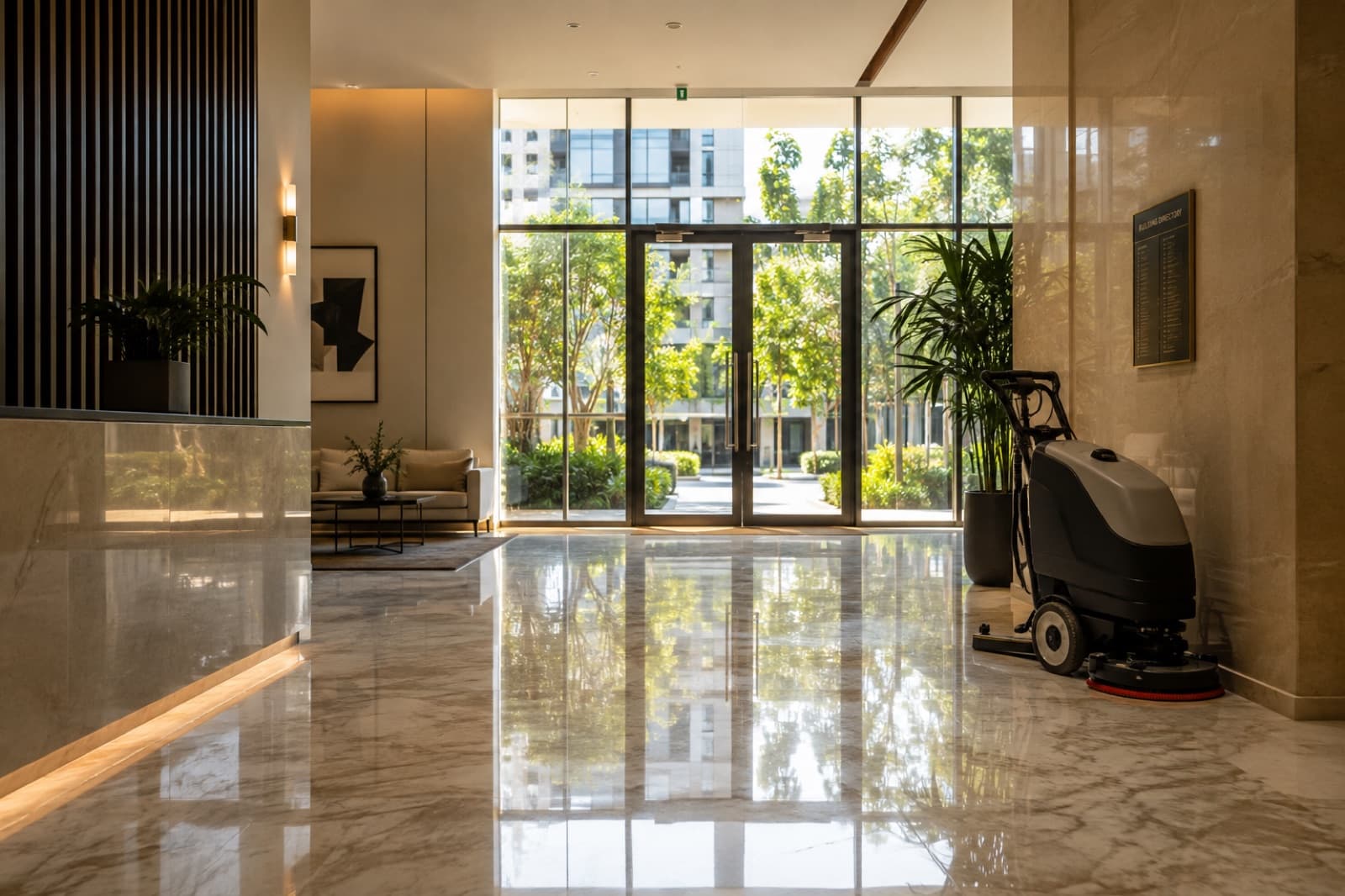
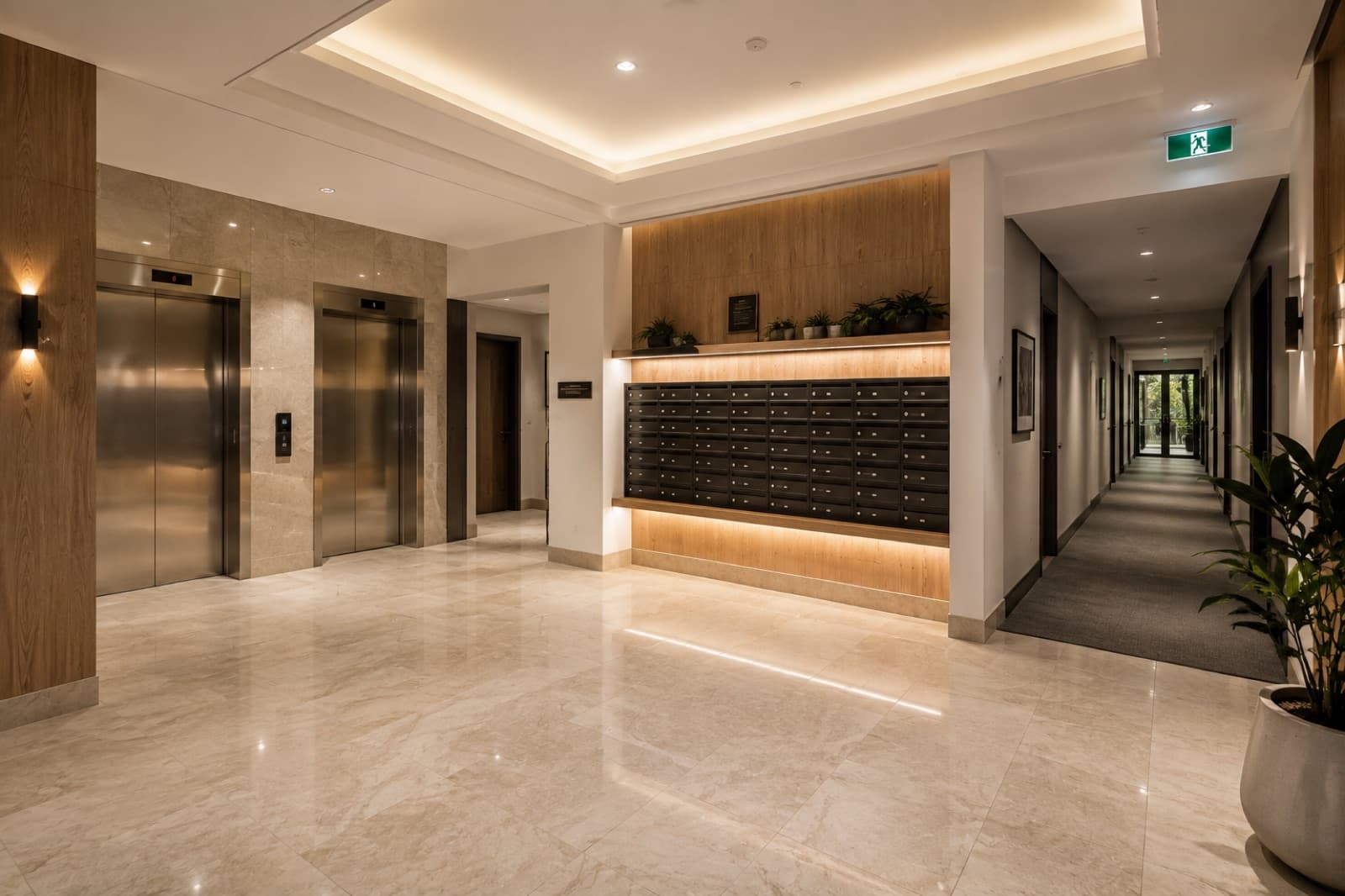
Entry and lobby areas. Lift cars and lift lobbies on every level. Stairwells and fire stairs. Corridors on every residential level. Car park (basement and surface). Bin room and bin enclosure. Gymnasium and any fitness equipment areas. Pool surround and change rooms if applicable. External entry paths and steps.
Do not assume the contractor knows what is in your building. List everything.
Frequency schedule
For each area, specify how often it is cleaned. Daily, twice weekly, weekly, fortnightly, monthly. Be specific. ‘Regularly’ is not a frequency.
Common frequencies for residential strata:
Lobby and entry: daily or every second day. Lifts: daily. Corridors: twice weekly. Car park: fortnightly or monthly. Bin room: weekly minimum.
Your building’s actual requirements will vary based on the number of residents, the building’s age and the level of use. A 200-unit tower has different frequency requirements to a 20-unit walk-up.
Task specifications
For each area and each frequency, specify what tasks are to be completed. Not just ‘clean the lobby’. Clean the lobby means:
Sweep or vacuum the floor. Mop the floor. Wipe down the intercom panel and any touch surfaces. Clean the entry glass inside and out. Check and clear any rubbish. Inspect the door mat and replace or clean if required.
The more specific the task list, the easier it is to identify when work has not been done to standard.
Reporting requirements
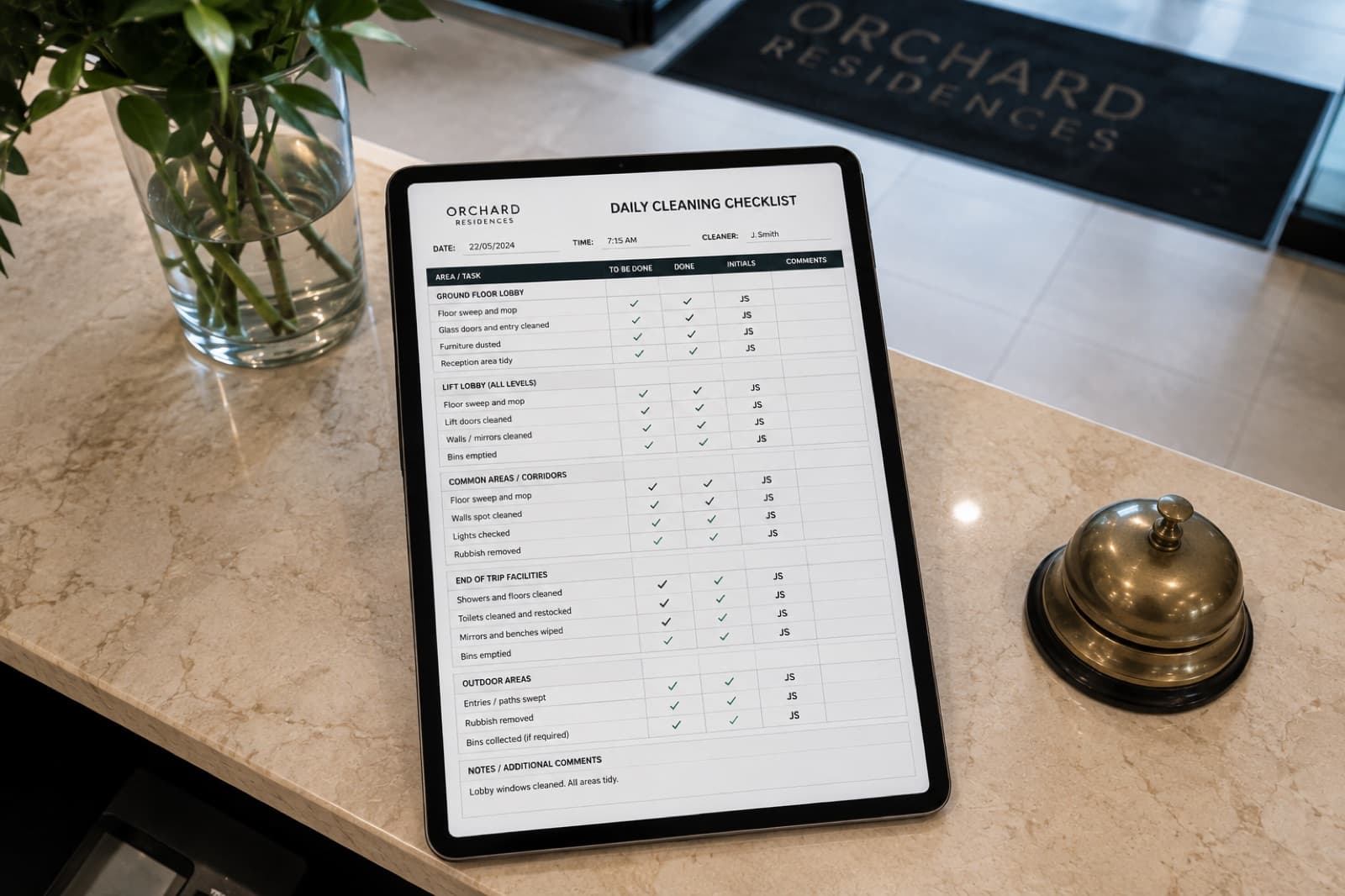
Specify how the contractor will confirm the work has been done. A completion log, a digital check-in, a signed sheet. The reporting mechanism should be agreed before the contract starts and included in the scope.
Issue escalation
Specify what the contractor should do when they find something outside the cleaning scope: a maintenance issue, a damaged surface, a safety hazard. Who do they contact? How quickly? In what format?
Common scope mistakes
Not specifying frequencies. Vague frequencies lead to disputes about what ‘regular’ means.
Not listing all areas. Areas not in the scope will not be cleaned. Do not assume.
Not including reporting requirements. Without a reporting mechanism you have no confirmation the work was done.
Not including an escalation process. Issues found during a clean and not reported will eventually be discovered by residents instead.
Using the scope to manage the contract
Once the contract starts, use the scope as your inspection checklist. Walk the building monthly with the scope document and check what you find against what should have been done.
If there are gaps, address them in writing with reference to the scope. The scope is your evidence. Without it, a dispute about whether the bin room was supposed to be cleaned weekly or fortnightly has no resolution.
Getting help with the scope
ARTOO prepares a written scope of works for every building we clean. If you are going to market for a cleaning contract and you want help preparing a scope before you go out to tender, contact us. We would rather help you run a proper process than have you sign a contract with a contractor who cannot hold the standard.